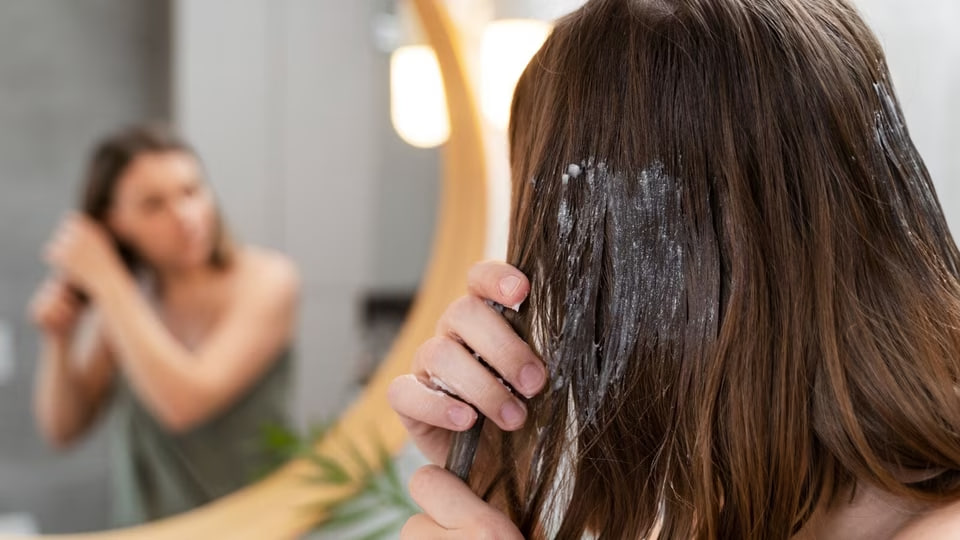
In this week’s HT Health Talk, Dr Shraddha Kologi explains the real science behind seasonal hair shedding, premature greying and social media hair trends.
Social media algorithms tout onion juice concoctions, overnight oiling rituals, and fermented rice water as miracle fixes for hair loss and premature greying. But are these kitchen remedies actual science, or just sticky, smelly placebos? To separate hair myths from clinical reality, in this week’s HT Health Talk, we spoke with Dr Shraddha Kologi, visiting consultant, dermatology and hair transplant surgery, Aster RV Hospital, Bengaluru.
First off, take a deep breath: losing 50 to 100 strands a day is not abnormal. However, if you’re noticing visible scalp, sudden patchiness, or silver strands popping up in your early 20s, it’s time to look beyond internet hacks. According to Dr Kologi, trending remedies like raw onion juice or overnight oiling often do more harm than good, triggering scalp irritation, contact dermatitis, and severe dandruff. Meanwhile, popular DIY fixes like rice water lack robust clinical backing compared to treatments like minoxidil.
When it comes to premature greying, plucking won’t make 10 more grow — a total myth — but it can permanently scar your hair follicle, she highlighted. While genetically driven greying remains irreversible, addressing early triggers like vitamin B12 deficiency, thyroid imbalances, or chronic stress can make a measurable difference. Below is Dr Kologi’s evidence-based guide to navigating hair fall, safe colouring, and real regrowth solutions.
1. Does onion juice really help hair grow, or can it just irritate the scalp?
Onion juice contains sulphur compounds and antioxidants, but scientific evidence supporting hair growth is limited. One small study suggested benefits in patchy hair loss (alopecia areata), but it is not an established treatment for common hair fall. Applying onion juice can cause scalp irritation, redness, itching and allergic reactions. It may worsen existing scalp conditions. It is better not to rely on onion juice as a hair-growth remedy. Persistent hair loss should be evaluated by a dermatologist to identify the underlying cause and appropriate treatment.
2. Does oiling really help from the roots, or is it just for conditioning? Can keeping oil overnight increase dandruff/hair fall?
Hair oiling mainly conditions the hair shaft, reduces friction and helps minimise breakage; it does not directly stimulate hair follicles or prevent genetic hair loss. Coconut oil may help reduce protein loss from hair. However, leaving oil overnight can aggravate dandruff or seborrhoeic dermatitis in some people, particularly those with oily scalps. Excessive massage may also cause breakage in fragile hair. Apply a suitable oil to the lengths of the hair, wash it off regularly, and avoid vigorous scalp massage. Oiling should be considered a conditioning practice, not a medical hair-growth treatment.
3. Do things like rice water or rosemary oil actually work compared to real medical treatments?
Rice water has limited scientific evidence supporting its hair-growth benefits. It may temporarily improve hair texture, but excessive use can cause stiffness and breakage. Rosemary oil has shown some promising results in small studies, but stronger clinical evidence is needed. Neither should replace established treatments such as topical minoxidil for appropriate types of hair loss. Minoxidil has substantially better clinical evidence, although results take several months and continued use is generally necessary. Consult a dermatologist before starting treatment, particularly if hair loss is sudden, patchy or accompanied by scalp inflammation.
4. How much hair fall daily is normal, and when should one worry?
Losing approximately 50–100 hair strands daily is normal and part of the natural hair growth cycle. However, excessive shedding, visible scalp, widening hair parting, receding hairline or noticeable thinning should not be ignored. Sudden hair loss, bald patches, scalp itching, redness or scaling also warrant medical attention. Persistent shedding for several months may indicate an underlying problem, such as a nutritional deficiency, a hormonal imbalance, or thyroid dysfunction. Early consultation with a dermatologist helps identify the cause and prevent further hair loss.
5. What are the main reasons for hair fall in young people: stress, diet, hormones, genetics?
Hair fall among young adults can result from several factors. Genetics is a major contributor to male and female pattern baldness. Physical or emotional stress, inadequate sleep, rapid weight loss and nutritional deficiencies, particularly iron, protein, vitamin B12 and vitamin D deficiencies, can trigger excessive shedding. Hormonal conditions, thyroid disorders, certain medications and scalp infections are other possible causes. Tight hairstyles, excessive heat styling and chemical treatments can also damage hair. Identifying the underlying trigger is essential because treatment varies depending on whether hair loss is genetic, temporary or medically induced.

6. Which treatments actually work for hair regrowth?
Treatment depends on the type and cause of hair loss. Topical minoxidil is an established treatment for androgenetic alopecia and can stimulate regrowth while slowing further thinning. Finasteride may benefit men with male pattern baldness but requires medical supervision because of potential side effects. Treating underlying thyroid disorders or nutritional deficiencies can also improve hair health. Dermatologists may recommend platelet-rich plasma (PRP), low-level laser therapy or hair transplantation in selected cases. No single treatment works for everyone. Early diagnosis and consistent treatment are important for achieving better results.
7. If one grey hair is plucked, will more grow? Can plucking damage the root?
Plucking one grey hair does not cause additional grey hair to grow. This is a common misconception. However, the replacement hair will generally grow back grey because the follicle has already lost its ability to produce sufficient melanin. Repeatedly plucking hair can damage hair follicles, potentially causing inflammation, scarring, or permanent hair loss in that area. It is therefore better to trim unwanted grey strands rather than repeatedly pull them out. Greying is primarily influenced by genetics, ageing and changes in pigment-producing cells within hair follicles.
8. If greying happens in your 20s due to stress or low vitamins, can it be reversed?
Premature greying in your 20s can sometimes be associated with vitamin B12 deficiency, iron deficiency, thyroid disorders or other underlying conditions. Stress may also accelerate the greying process. Correcting an identified nutritional deficiency or treating an underlying medical condition may occasionally help restore pigmentation, particularly when greying is relatively recent. However, genetically determined greying is generally irreversible. There is currently no proven treatment that reliably restores natural hair colour once pigment production has stopped. Anyone experiencing unusually early or rapid greying should consider a medical evaluation rather than relying on commercial reversal products.
9. Are there any vitamins or foods that can slow down greying?
A balanced diet containing adequate protein, iron, vitamin B12, folate, copper, zinc and antioxidants support healthy hair pigmentation and growth. Include leafy vegetables, nuts, seeds, legumes, whole grains, dairy products and fruits in your daily diet. Vitamin B12 deficiency and certain nutritional deficiencies have been associated with premature greying. However, there is no strong scientific evidence that any particular food, supplement or superfood can prevent or reverse genetically determined greying. Supplements should only be taken when a deficiency is identified or when medically recommended. Avoid excessive supplementation, as some nutrients can be harmful in high doses.
10. What harmful ingredients should be avoided in hair dyes? How can one colour/style safely without damaging scalp and hair?
Para-phenylenediamine (PPD) is a common hair dye allergen that can cause itching, redness, swelling and allergic contact dermatitis. People with a history of dye allergies should avoid the identified allergen. Excessive bleaching and frequent chemical treatments can also weaken hair shafts. Always perform the manufacturer’s recommended 48-hour patch test before colouring, wear gloves and follow application instructions. Avoid dyeing an irritated or damaged scalp, never exceed the recommended processing time and rinse thoroughly. Choose professional colouring services, limit bleaching and use conditioners to minimise dryness and breakage.